The roles change
One month you may cook alongside your neighbors. Another month you may be the person grateful for a meal in your freezer. Both are normal.
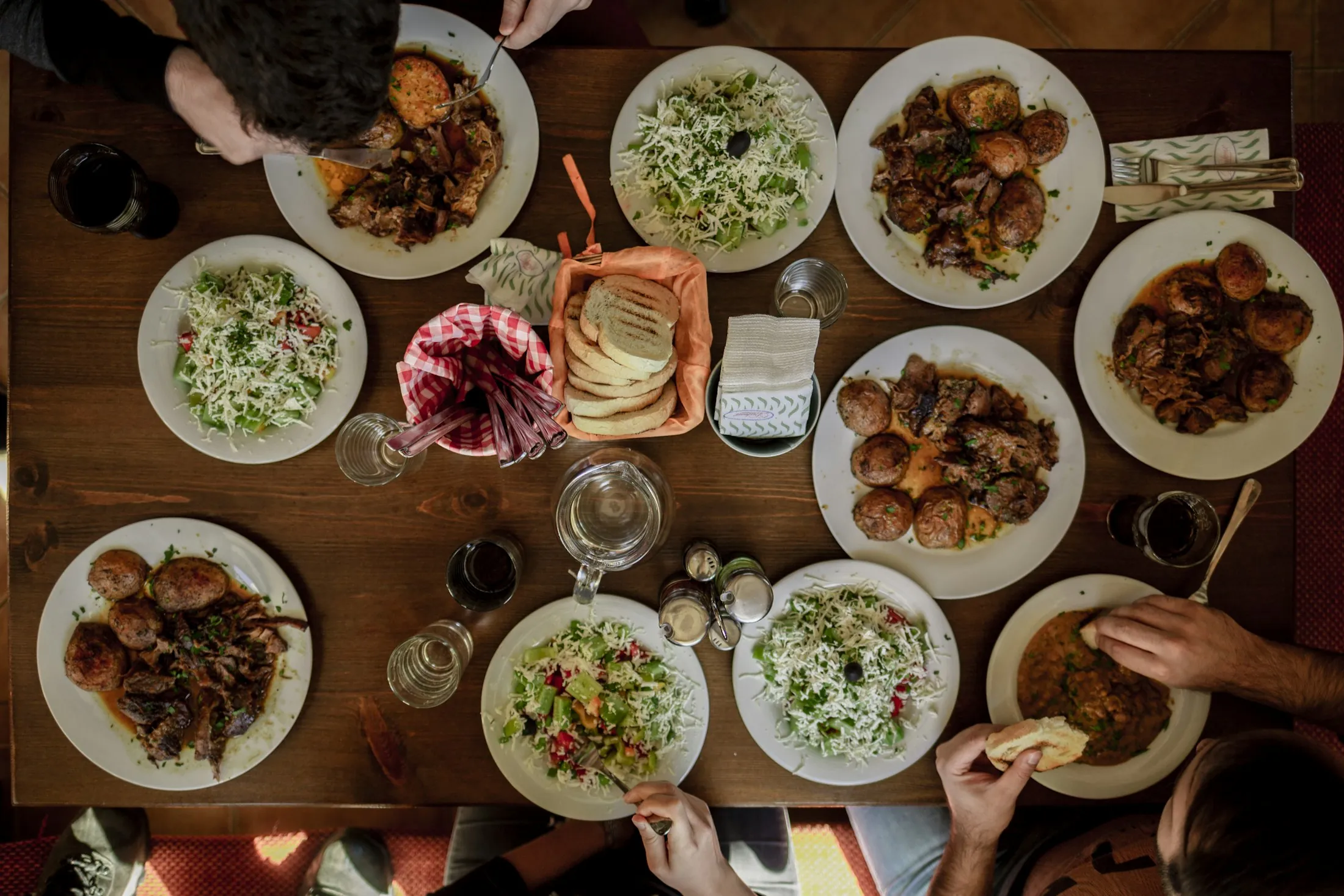
The Heat and Eat Collective uses shared cooking to bring neighbors together. We gather to cook and freeze meals for people in a tough stretch — but the meal is only part of the story.
…shared with community — cooked by neighbors, frozen to share, and given with no questions asked.
It can lower stress, create connection, communicate care, and remind people they don't have to carry life's hard seasons alone.
Most of us were raised to value self-sufficiency, with little room to practice interdependence. The Heat and Eat Collective is a small, practical way to change that — neighbors gathering to cook and share, building the habits that help communities thrive.

Success isn’t measured by how many meals we make, but by how many communities begin building connections and making meals for one another.
That’s why a cook day is about more than the food. Neighbors learn to batch-cook, swap recipes, share skills, and leave with friendships that didn’t exist that morning. Cooking together, skill-sharing, and relationship-building aren’t side effects of the work — they’re the work. And when another community takes the model home and makes it their own, that’s the whole idea.
We're not a food pantry, a delivery service, or a large feeding program. We're a mutual-aid project rooted in the belief that healthy communities depend on relationships.
One month you may cook alongside your neighbors. Another month you may be the person grateful for a meal in your freezer. Both are normal.
Shared work, shared resources, shared meals, shared responsibility. What gets built around the kitchen outlasts any single batch of food.
No applications. No proving hardship. No expectation you be in crisis before accepting a meal. Support is simply one less thing to worry about.

Community is built when people are willing to both give and receive.
The meals are the excuse to practice it.