Easy to explain, easy to join, and easy to grow in any community that needs it. Every cooking session produces meals — and something less tangible: new friendships, practical skills, and a culture of mutual support.
Four moving parts
From the kitchen to a neighbor's freezer.
1
Gathering in the kitchen
We cook in bulk, together.
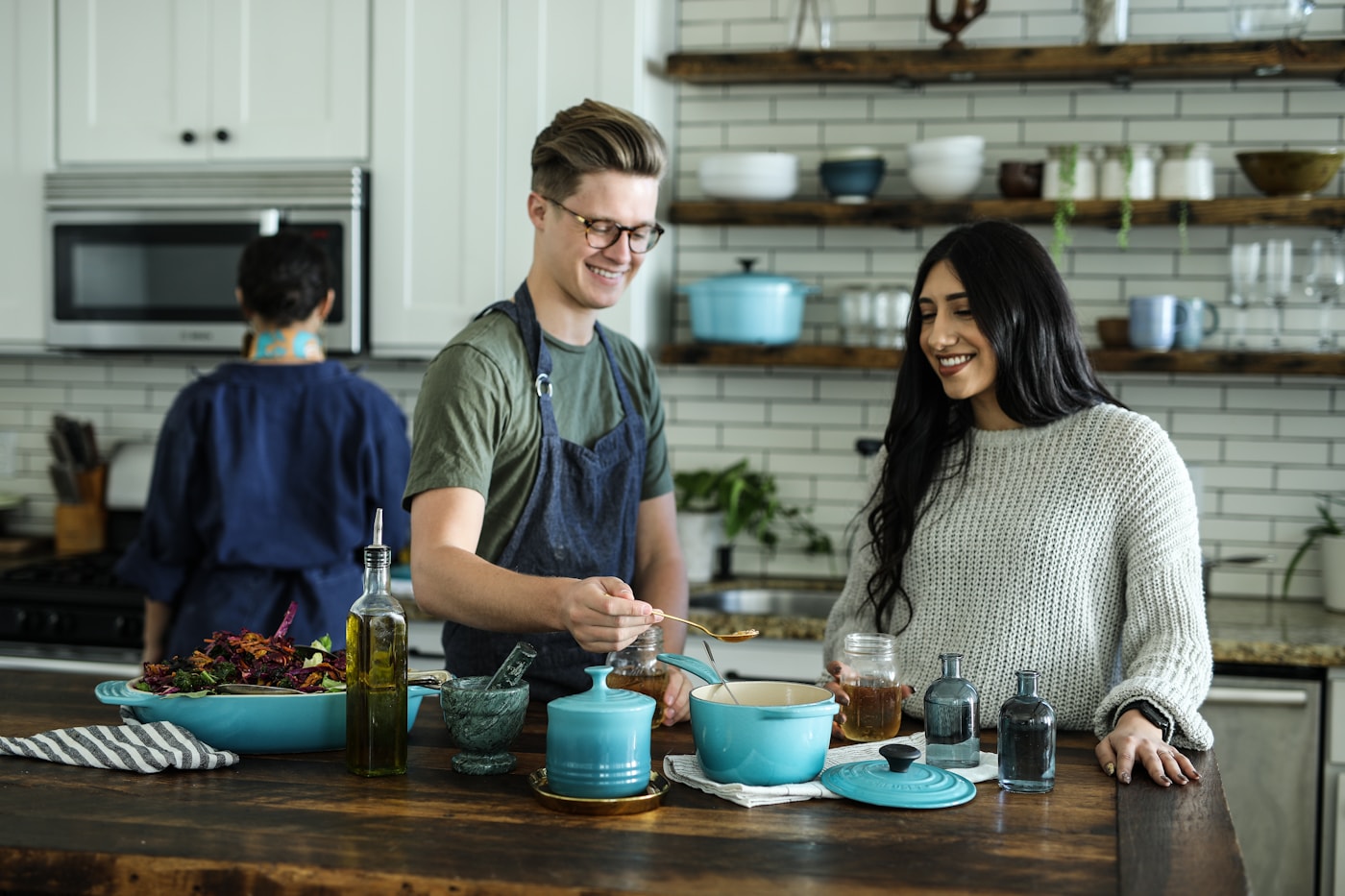
Volunteers gather in a shared kitchen to prepare batches of freezer-friendly meals — sharing knowledge, building relationships, and working toward a common purpose. Many hands turn a few hours into a whole lot of meals.
2
Sharing resources
Support comes in many forms.
People contribute what they can: ingredients, kitchen supplies, funds, freezer space, practical skills, encouragement, and time. No one piece is the whole thing — together they add up.
3
Sharing meals
Meals reach neighbors who need them.
Frozen meals go out to people navigating life's challenges. For our pilot group, that has meant our community Free Pantry and occasional outreach through regional Facebook groups — no cost, no questions.
4
Building community
The most valuable thing isn't the food.
Every session also produces new friendships, practical skills, stronger ties, and a growing culture of mutual support. The meal brings people through the door — the relationships are what last.
A cook dayA full freezerA neighbor cared for
From our kitchen
A cook day, in photos.
Real volunteers, real meals. Here's what a Heat + Eat cook day actually looks like — from the first big batch to a freezer full of meals ready to share.
When meals can help
Everyone needs support sometimes.
There's no need to be in crisis to accept a meal. Sometimes support looks like helping a neighbor through a difficult season — sometimes it's just one less thing to worry about this week.
New parents
Recovering from illness or surgery
Caregivers
Families facing financial strain
People navigating job transitions
Households facing the unexpected
Anyone facing burnout
Anyone in a season where a little extra would help